Explore Indio: City of Festivals & Vibrant Living
Indio has long occupied a distinctive place within the Greater Palm Springs landscape. Known as the “City of Festivals,” this historic Coachella Valley community has evolved from its agricultural roots into one of the desert’s most dynamic cities — combining celebrated international events, established neighborhoods, golf communities and continuing residential growth.
Yet there is far more to Indio than the festivals that made its name famous. Expansive desert skies, dramatic mountain views, a strong sense of community and an increasingly diverse collection of residential opportunities have helped make Indio an important part of the Greater Palm Springs lifestyle.
From Railroad Outpost to Desert Community
Indio’s story began not as a resort destination, but as a practical necessity created by the expansion of the railroad across the Southern California desert.
By 1876, Southern Pacific trains were running between Los Angeles and Indio as the railroad pushed eastward toward Yuma. Steam locomotives traveling through the harsh desert environment required dependable places for water and servicing, while railroad workers and passengers needed places to stop along the route. What began as a railroad outpost gradually became a permanent settlement.
A formal Indio townsite was surveyed in 1888, and the community became one of Riverside County’s judicial townships after the county was established in 1893. Artesian wells and other available water sources helped attract early homesteaders, while the railroad provided an essential connection between the isolated desert settlement and markets elsewhere in Southern California.
The Southern Pacific Depot Station and Hotel became an early center of community life, providing more than transportation infrastructure. In a remote desert settlement, the depot and hotel offered dining, lodging and social activity, helping establish a sense of community around the growing town.
That railroad heritage remains an important part of Indio’s identity today. The Coachella Valley History Museum, located in Indio, preserves many of the stories, structures and artifacts associated with the region’s early development, including exhibits devoted to the Southern Pacific Railroad, agriculture and the historic 1909 Indio Schoolhouse.
Agriculture, Water and the Rise of the Date Industry
The railroad may have helped establish Indio, but agriculture helped make the community permanent.
By the turn of the twentieth century, farmers were discovering that the Coachella Valley’s intense sunshine, fertile soil and access to groundwater could support a remarkable variety of crops. Melons, vegetables, grapes, citrus, cotton and other agricultural products became important to the regional economy as irrigation techniques continued to improve.
Among those crops, however, one would become particularly closely associated with Indio and the Coachella Valley: the date.
Date palms imported from North Africa were introduced to the region during the late nineteenth century, and in the early twentieth century Indio became an important center for research into commercial date cultivation. The United States Department of Agriculture established date-related research activities in Indio, helping growers study varieties and cultivation methods suited to the desert climate.
The results helped establish the Coachella Valley as America's principal date-growing region and created an agricultural legacy that remains visible throughout the eastern valley.
Dates eventually became more than a crop. They became part of the region’s cultural identity.
That heritage is preserved today through the California Date History Museum exhibits at the Coachella Valley History Museum and, on a much larger scale, through the Riverside County Fair & National Date Festival — a celebration whose connection to the valley's date harvest stretches back generations.
The Coachella Valley’s First Incorporated City
As agriculture expanded, Indio developed into an increasingly important commercial and civic center for the eastern Coachella Valley.
Schools, businesses, medical facilities, hotels and other services followed the growing population. By the early decades of the twentieth century, the railroad outpost had evolved into a genuine desert community serving residents throughout the surrounding agricultural region.
On May 16, 1930, Indio formally incorporated, becoming the first incorporated city in the Coachella Valley.
That milestone gives Indio a particularly important place in the history of Greater Palm Springs. Long before much of the valley developed into the collection of internationally recognized resort communities known today, Indio was already functioning as an established center of commerce, agriculture and civic life.
By the early 1940s, its business district included more than 125 businesses along with hotels, hospitals, newspapers, department stores and a movie theater — evidence of how dramatically the community had evolved from its railroad beginnings.
Today, the City of Indio remains one of the Coachella Valley’s largest and most important population centers, carrying that historic role forward while continuing to grow and evolve.
The Making of the “City of Festivals”
Indio’s modern reputation as the “City of Festivals” may be internationally associated with music, but the city's tradition of gathering people together for major celebrations reaches much deeper into its history.
Agricultural festivals and community celebrations became natural extensions of the region’s farming heritage. The Riverside County Fair & National Date Festival grew into one of the most recognizable examples, celebrating the crop that played such an important role in the development of the eastern Coachella Valley.
Over time, Indio’s calendar expanded to encompass arts, food, cultural celebrations and large-scale entertainment.
The result is a festival identity that reflects several different chapters of the city’s history rather than a single event.
Today that calendar includes the Riverside County Fair & National Date Festival, the Southwest Arts Festival, the Indio International Tamale Festival and other cultural and community events. Together, they reinforce an identity that existed long before the arrival of the massive music festivals that would eventually make the name Indio familiar around the world.
Coachella and Stagecoach Take Indio to the World Stage
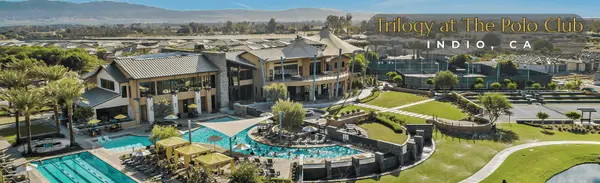
The scale of Indio’s festival identity changed dramatically in 1999, when the first Coachella Valley Music and Arts Festival was held at the Empire Polo Club.
What began as an ambitious two-day music festival would eventually grow into one of the most recognized music and arts events in the world. Musicians, artists, celebrities and festivalgoers began arriving in Indio from across the country and around the globe, giving the city an extraordinary level of international visibility each spring.
The setting became inseparable from the event itself. The broad polo fields, desert atmosphere, palm trees, distant mountains and dramatic sunsets created a visual identity that helped distinguish Coachella from festivals held almost anywhere else.
In 2007, Stagecoach debuted at the same Empire Polo Club grounds, bringing major country artists and another enormous audience to Indio.
Together, Coachella and Stagecoach transformed several weeks each spring into one of the most recognizable periods on the international entertainment calendar. Yet their importance to Indio extends beyond attendance and publicity. They demonstrated that a city whose earliest identity was built around transportation and agriculture could continue reinventing itself while remaining connected to the desert landscape that shaped it.
The festivals did not create Indio’s identity.
They amplified it on a global stage.
Culture and Community Beyond the Music Festivals
Indio’s cultural identity extends well beyond its best-known spring weekends.
The Indio International Tamale Festival, held in Downtown Indio, has become one of the city's most beloved traditions, bringing together food, music, family activities and culinary traditions that reflect the community's cultural diversity.
The Coachella Valley History Museum provides another connection between past and present. Its historic campus includes the Smiley-Tyler House, the 1909 Indio Schoolhouse, exhibits devoted to the Cahuilla people, agriculture and water, railroad history, date cultivation and other people and industries that shaped the Coachella Valley.
That history is especially important because the story of Indio did not begin with the railroad. The broader Coachella Valley has been home to the Cahuilla people for generations extending far beyond the establishment of modern desert cities. Their relationship with the desert landscape forms an essential part of the region’s deeper cultural history.
Taken together, these institutions, traditions and celebrations reveal an Indio that is more layered than its international festival reputation alone might suggest — a community shaped by Indigenous history, agriculture, migration, family traditions, commerce and generations of desert life.
Downtown Indio: A Historic Core Being Reimagined
Indio is not simply preserving its past. The city is actively investing in its next chapter.
Downtown Indio has become a major focus of revitalization, with public and private investment bringing renewed attention to the city’s historic core. Center Stage, civic improvements, streetscape enhancements and new development are contributing to an evolving downtown environment designed to encourage gathering, entertainment and economic activity.
The transformation extends beyond Downtown. Investment along the Highway 111 corridor and in public infrastructure reflects a broader effort to connect established areas of the city with new growth.
Recent civic projects have included a new library, a new City Hall and Civic Center campus, public safety improvements, parks and recreation investments and continued beautification efforts.
For a city whose history began around a railroad depot, there is an appealing continuity to that evolution. Indio has repeatedly adapted its physical environment to meet the needs of a changing population — first through transportation and agriculture, later through civic and commercial development, and today through a combination of revitalization and residential expansion.
Golf, Recreation and the Outdoor Desert Lifestyle
Festivals may bring visitors to Indio, but everyday life unfolds against the same natural backdrop that defines the rest of Greater Palm Springs.
The city offers golf, parks, cycling, equestrian activities and access to outdoor recreation throughout the eastern Coachella Valley. Its relatively broad geographic footprint also creates a residential environment that can feel notably different from some of the valley’s more compact resort communities.
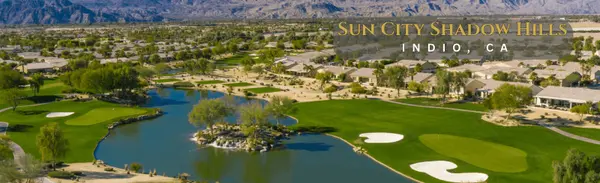
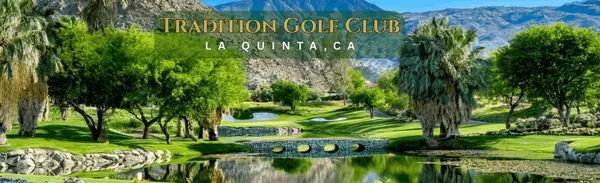
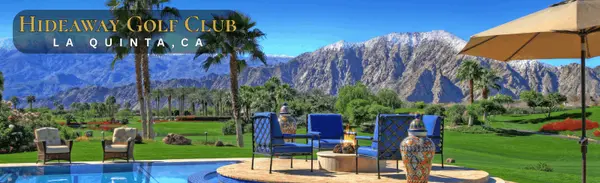
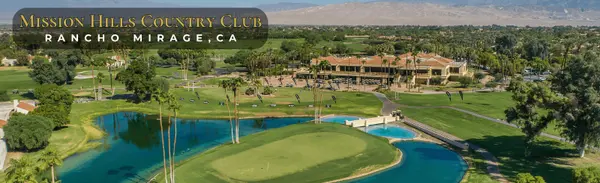
Golf remains part of that lifestyle, with established golf-oriented neighborhoods and courses providing options for residents who value the recreational traditions long associated with the desert.
Indio’s equestrian heritage adds another dimension. Polo has played an important role in the area for decades, and the expansive grounds associated with the sport eventually provided the setting for the international festivals that now define Indio for millions of visitors.
It is another example of how different chapters of the city’s history overlap: agriculture, open land, equestrian traditions, tourism and entertainment all contributing to the identity of modern Indio.
Indio Real Estate: Variety, Growth and Desert Living
Indio’s continued growth has created a residential landscape with considerable variety.
Buyers can find established neighborhoods, gated communities, golf-oriented developments, condominium and attached-home options, newer master-planned neighborhoods and larger single-family residences. In different parts of the city, homes may offer views toward the surrounding mountains, proximity to golf and recreation, access to major transportation corridors or the atmosphere of newer residential development.
That range makes Indio difficult to characterize through a single type of property or lifestyle.
Some buyers are drawn to established communities with mature landscaping and long-standing neighborhood character. Others prefer newer construction, contemporary amenities and developing areas. Golf enthusiasts may prioritize communities centered around the game, while other residents simply value space, mountain views and access to the broader Coachella Valley.
As with every desert city, individual neighborhoods can differ significantly in architecture, amenities, homeowner association structures and overall character. Exploring current Indio homes for sale provides a clearer picture of the residential choices available across the city.
Explore Indio
Indio’s story is ultimately one of continuous evolution.
A railroad stop established in the nineteenth-century desert became an agricultural center. Agriculture helped create a permanent community. That community became the Coachella Valley’s first incorporated city. Its agricultural celebrations contributed to a festival tradition that eventually expanded into internationally recognized arts, food and music events.
Today, Indio continues to evolve through residential growth, downtown revitalization, cultural investment and new civic development while remaining connected to the history that made the community possible.
The world may know Indio as the home of Coachella and Stagecoach, but those celebrated events represent only one chapter in a much larger story.
From its railroad and agricultural beginnings to its festival culture, established neighborhoods, recreational opportunities and continuing growth, Indio has developed an identity unlike any other city in Greater Palm Springs.
It is historic and evolving, internationally recognized yet deeply rooted in local community — a place where the traditions of the Coachella Valley and the energy of its future continue to meet.
Categories
Recent Posts