Embrace Palm Desert: Crown Jewel Of The Desert
Set against the dramatic backdrop of the Santa Rosa and San Jacinto Mountains, Palm Desert occupies a distinctive place at the geographic and cultural heart of the Coachella Valley. Known for its beautifully maintained neighborhoods, celebrated shopping and dining, championship golf, arts and entertainment, and remarkable range of residential communities, Palm Desert has evolved into one of Greater Palm Springs' most complete desert cities.
Unlike communities defined primarily by a single resort, historic district, or seasonal attraction, Palm Desert has developed an identity that is remarkably broad. It is simultaneously a residential community, shopping and dining destination, center for arts and education, golf retreat, and gathering place for people from throughout the Coachella Valley. The City of Palm Desert, incorporated on November 26, 1973, describes the community as the cultural and retail center of the desert communities — a fitting characterization for a city whose influence extends well beyond its boundaries.
From Open Desert to a New Community
Long before Palm Desert emerged as a modern city, the surrounding desert was part of a landscape with deep Indigenous history. The Cahuilla people inhabited and traveled throughout the region for generations, adapting to an environment shaped by mountains, desert washes, native vegetation, springs and seasonal changes.
The modern community began taking shape in the years immediately following World War II. In 1945–1946, brothers Randall, Clifford and Phil Henderson organized the Palm Desert Corporation to promote a new desert town. City historical materials credit Cliff Henderson as the driving visionary behind the development, with the Palm Desert Corporation acquiring approximately 1,620 acres south of Highway 111 in 1946.
The vision was ambitious from the beginning. Rather than simply subdividing open desert, the founders set out to create a carefully planned community capable of attracting residents, visitors, businesses and recreation. Curving residential streets were laid out, infrastructure followed, and landscaping became an important element of the emerging desert environment.
Even El Paseo was part of that early vision. Palm Desert historical materials describe the street as having been planned as an upscale shopping destination years before its commercial identity fully developed, with trees planted well in advance of the first stores. What began as an optimistic plan across largely undeveloped desert would eventually become one of the defining addresses of Palm Desert.
Shadow Mountain and the Early Resort Era
Another important part of Palm Desert's early identity was Shadow Mountain Club, which began taking shape in the late 1940s. Designed in part by prominent architects associated with the era's desert development, the club became an extraordinary recreational and social destination.
Its amenities went far beyond golf. Historical accounts describe a massive figure-eight swimming pool, equestrian facilities, entertainment, fishing, parties and other recreational attractions that helped establish Shadow Mountain as an early social center of the growing community. Celebrities and sports personalities were among those drawn to the club and the desert lifestyle surrounding it.
Palm Desert was beginning to share in a phenomenon already transforming other communities along Highway 111: the emergence of the Coachella Valley as a winter playground for people seeking sunshine, recreation, privacy and a distinctly different way of life. The community soon joined neighboring Palm Springs, Rancho Mirage and La Quinta among the desert resort destinations favored by affluent seasonal residents and visitors.
Yet Palm Desert would ultimately become much more than a resort town.
El Paseo and the Emergence of a Desert Downtown
Today, El Paseo is inseparable from Palm Desert's identity. Stretching through the city's central commercial district, it combines luxury boutiques, galleries, restaurants, locally owned businesses and nationally recognized names within a landscaped boulevard that feels distinctly Palm Desert.
Its significance is more than commercial. El Paseo functions as one of the city's principal gathering places and has long served as Palm Desert's de facto downtown. The city's own planning documents continue to identify the El Paseo Shopping District as an important component of Palm Desert's evolving City Center.
That combination of shopping, dining, art and walkability gives Palm Desert an important quality that distinguishes it from many resort-oriented communities. Residents can enjoy the privacy of a gated golf community or quiet residential neighborhood while remaining only minutes from a genuine concentration of restaurants, shops, services and cultural experiences.
It is one reason Palm Desert feels less like a seasonal destination and more like a complete city.
Golf, Country Clubs and the Palm Desert Lifestyle
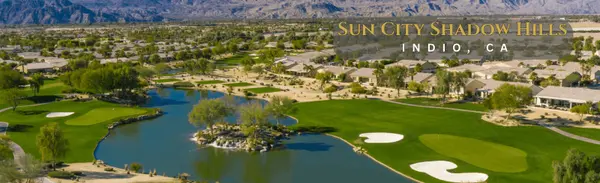
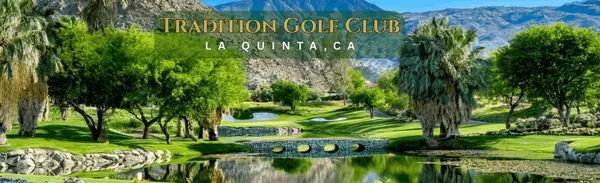
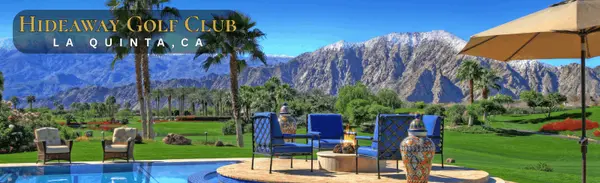
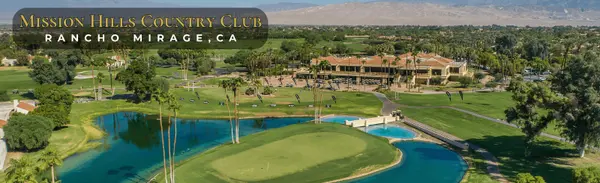
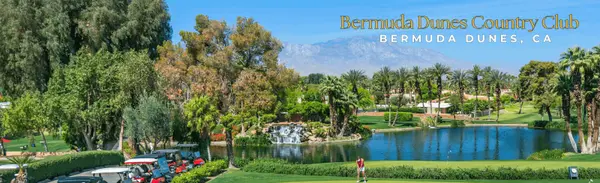
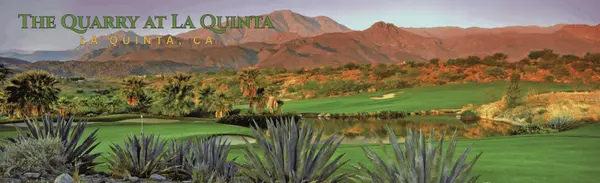
Golf remains an essential part of Palm Desert's character. Across the city and its surrounding area are private country clubs, gated golf communities and public courses that have helped make the Coachella Valley internationally synonymous with desert golf.
Palm Desert's residential landscape reflects that heritage. Fairway homes and condominiums offer views across carefully maintained courses toward the surrounding mountains, while established country-club communities provide the privacy, amenities and social environment that have attracted generations of seasonal and full-time residents.
But Palm Desert real estate extends far beyond golf.
The city contains an unusually diverse collection of residential settings — from established neighborhoods near the center of town and condominium communities convenient to shopping and dining, to gated developments, active-adult communities and substantial luxury estates. That variety makes Palm Desert accessible to a broader range of lifestyles and housing preferences than its luxury reputation alone might suggest.
For buyers exploring Palm Desert homes for sale, that diversity is one of the city's greatest strengths. Someone seeking a lock-and-leave seasonal condominium may find Palm Desert just as compelling as a buyer looking for a golf-course residence, private gated home or larger desert estate.
A City with a Serious Commitment to the Arts
Palm Desert's cultural identity is not merely promotional language. Art has been deliberately incorporated into the city's development for decades.
In 1986, Palm Desert became the first city in Riverside County to adopt a public-art ordinance requiring qualifying development to incorporate approved artwork or contribute to an Art in Public Places fund. The result is an extensive collection of public and developer-supported artwork found throughout parks, civic spaces, shopping areas and private developments. The city's current collection includes dozens of permanent and developer artworks, while the El Paseo Sculpture Exhibition brings changing works directly into the city's best-known commercial corridor.
Nearby, McCallum Theatre has become one of the Coachella Valley's signature performing-arts institutions. The theatre opened in January 1988 following years of community planning and fundraising, with an opening-night tribute to Bob Hope attended by figures including Ronald and Nancy Reagan and Gerald and Betty Ford. Today, its programming encompasses Broadway, music, dance, comedy, classical performances and educational initiatives.
The presence of institutions such as the McCallum gives Palm Desert a cultural dimension that extends well beyond galleries and seasonal events. It helps make arts and performance part of everyday life in the center of the valley.
The Living Desert and the Natural World
At Palm Desert's southern edge, The Living Desert Zoo and Gardens provides another dimension to the city's identity. More than a visitor attraction, the organization is dedicated to desert conservation, education and the protection and understanding of desert ecosystems and wildlife. Its mission includes conserving open desert, interpreting desert ecology and supporting conservation efforts involving threatened and endangered species.
Its setting also reinforces something fundamental about Palm Desert: despite the city's sophistication and development, the natural desert is never far away.
The mountains rise immediately to the south. Trails and open spaces provide opportunities to experience the landscape at close range, while the changing light across the surrounding ridgelines remains part of daily life. Palm Desert's municipal park system adds another layer of recreation, with more than 200 acres of parkland, multiple parks and community facilities, and an extensive network of multi-purpose trails.
Civic Center Park, with its lagoon, recreation facilities, public art and amphitheater, provides a particularly visible example of the city's emphasis on shared outdoor space.
Education at the Center of the Valley
Palm Desert is also home to College of the Desert, an institution whose central campus has long contributed to the city's role as an educational and civic center for the Coachella Valley.
The relationship between education and culture is particularly visible around the campus area. McCallum Theatre itself grew from a community effort to establish a performing-arts center on the College of the Desert campus, creating a lasting connection among education, culture and community life.
Together with nearby civic facilities, parks, businesses and cultural institutions, these assets reinforce Palm Desert's position as a place where many of the valley's everyday functions converge.
At the Heart of Greater Palm Springs
Palm Desert's central location is one of its enduring advantages. From the city, residents can travel west toward Rancho Mirage, Cathedral City and Palm Springs or east toward Indian Wells, La Quinta and Indio with relative ease. Yet there is remarkably little need to leave Palm Desert for the essentials of everyday desert life.
Shopping, dining, entertainment, recreation, healthcare, education, cultural institutions and an extensive variety of residential neighborhoods are all part of the community itself.
That balance helps explain Palm Desert's lasting appeal. It can offer the manicured surroundings and privacy associated with a desert resort community without requiring residents to sacrifice convenience or connection. It can feel polished without feeling isolated, active without losing the relaxed rhythm that draws people to the desert in the first place.
And while Palm Desert has changed dramatically from the community envisioned by the Henderson brothers in the 1940s, the fundamental ambition behind it remains recognizable: create a place in the desert where people genuinely want to live, gather, shop, recreate and stay.
Palm Desert Real Estate: Variety in the Crown Jewel of the Desert
For today's homebuyer, Palm Desert offers one of the broadest real estate landscapes in Greater Palm Springs.
There are golf and country-club communities for buyers who want recreation woven into daily life; gated neighborhoods emphasizing privacy and amenities; condominiums and attached homes suited to seasonal ownership and lower-maintenance living; established residential neighborhoods with a more traditional community feel; and luxury properties designed around views, space and the indoor-outdoor lifestyle for which the California desert is known.
Location within Palm Desert can also shape the experience considerably. Some buyers prioritize proximity to El Paseo and the city's central amenities. Others prefer the atmosphere of a private club, the convenience of an active-adult community, or a quieter setting closer to the mountains and open desert.
That breadth is precisely why understanding Palm Desert real estate requires more than looking at a list of available properties. The right neighborhood or community depends on how a buyer actually intends to live.
Embrace Palm Desert
From the early vision of its founders to the sophistication of El Paseo, from country-club fairways to public art, from the McCallum Theatre to The Living Desert, Palm Desert has developed an identity with unusual depth.
It is not simply a place to vacation, shop, play golf or own a seasonal home.
It is a city where those elements come together.
Palm Desert's ability to combine resort living with the amenities of a mature, centrally located community has helped it become one of the defining cities of Greater Palm Springs — sophisticated yet approachable, active yet relaxed, and surrounded by the extraordinary landscape of the California desert.
That is the enduring appeal of Palm Desert — the Crown Jewel of the Desert.
Categories
Recent Posts