What to Know Before Buying a Golf Course Home in La Quinta, CA: Membership, Lot Position, and Resale
What should I know before buying a golf course home in La Quinta?
Before buying a golf course home in La Quinta, confirm the club and HOA obligations in writing, inspect the lot's exposure to play, and review recorded title documents. Compare fairway, green, and tee locations carefully. A golf view can support appeal, but membership rules, ongoing assessments, noise, ball strikes, and course viability can affect ownership and resale.
More Info
Start with the governing documents. Obtain the HOA CC&Rs, budget, reserve information, rules, architectural standards, and all notices of pending assessments. In California, sellers in a common interest development are required to provide these association documents to the buyer, so request them early rather than waiting for the final days of escrow. Ask the club whether membership is mandatory for the parcel, transferable at closing, or subject to approval, and whether fees can change. Review title for golf course, drainage, access, utility, and view easements. Visit at different times and during active play to observe golfers, maintenance activity, cart paths, sightlines, and privacy. La Quinta's play and maintenance calendar shifts with the desert season, so a quiet summer showing can look very different during peak months. Have insurance and legal professionals assess coverage and recorded obligations before removing relevant contingencies.
In Detail
- Membership and fees: Confirm whether purchase requires club membership, initiation charges, recurring dues, food-and-beverage minimums, transfer terms, and separate HOA assessments. La Quinta's golf communities range from private clubs to resort-course neighborhoods, and the rules differ from one gate to the next. Obtain the current schedule and governing documents before committing.
- Golf balls and liability: Ask about past ball strikes, protective screening, landscaping damage, and insurance coverage. Determine responsibilities from applicable documents and insurance professionals.
- Easements: Have title reviewed for recorded rights affecting access, drainage, utilities, maintenance, course operations, and landscaping.
- Course continuity: Review ownership, operating arrangements, available financial disclosures, and land-use restrictions. A closure or material change can alter views, traffic patterns, and market appeal.
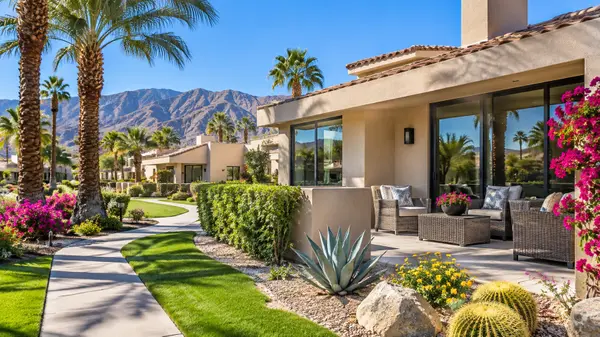
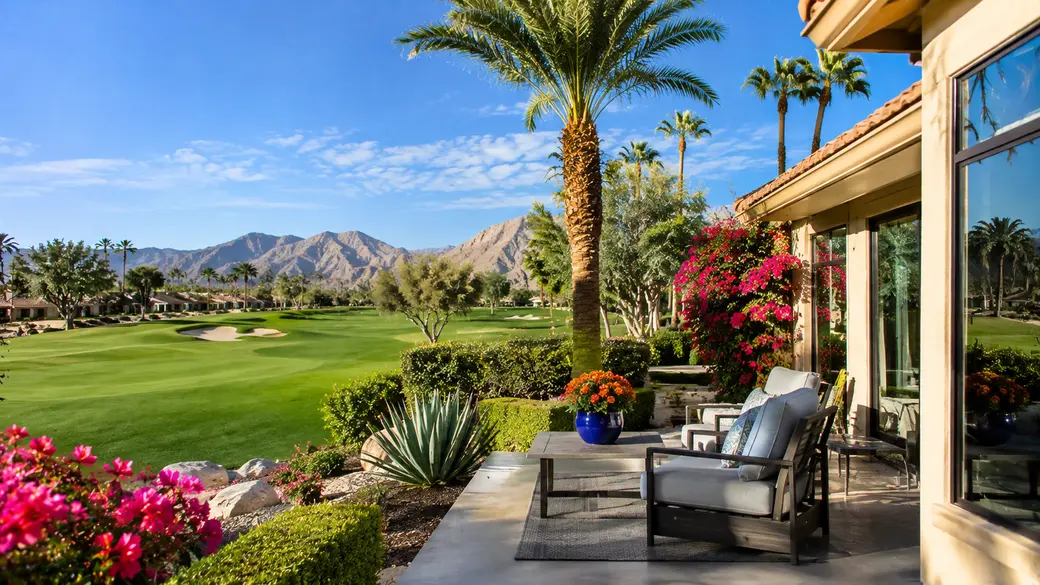
- Lot position: Tour the property from the fairway, near the green, and near the tee. Each position changes shot exposure, player activity, privacy, and maintenance disruption. Orientation matters too: afternoon sun, mountain sightlines, and prevailing wind shape how the patio is used.
- Premium and resale: Separate the home's intrinsic features from any view premium. Compare similar golf-oriented homes in the same community and consider the buyer pool for that exact lot.
Related Questions
Is golf membership included when buying a golf course home in La Quinta?
Not necessarily. Membership requirements, transferability, club approval, and fee obligations can vary by community and parcel, so buyers should obtain written confirmation before making decisions.
Is a fairway lot better than a home near a green or tee?
The preferred position depends on how the property is used. Fairway lots may have broad views, while homes near greens or tees can experience different levels of golfer activity, ball exposure, and maintenance.
What documents should I review for a golf course property?
Review the purchase agreement, preliminary title report, HOA documents, club membership materials, insurance information, and any disclosures addressing easements, assessments, or known property conditions.
Can a golf course change or close after I buy?
Course ownership, operations, and land-use rules can change over time. Buyers should examine available operating information and recorded restrictions, then evaluate how a change could affect the property's setting and resale appeal.
Tips from Brad Schmett Real Estate Group
Brad Schmett Real Estate Group treats a golf course purchase as two decisions in one. There is the home. Then there is the club, the HOA, and the lot's relationship to the course. Both deserve the same scrutiny.
Under the Certified Buyer Advantage™ program, the work follows a clear order. Preparation comes first: financing, offer readiness, and a written list of what the lifestyle needs to include. Market insight comes next. Brad Schmett compares homes lot by lot within the same La Quinta community, because a fairway home and a tee-adjacent home on the same street rarely trade at the same value. Strategic positioning shapes the offer's terms and timing. Protection covers inspections, contingencies, and document review, so club and HOA obligations are understood before a contingency is removed.
The standard is old-school. Read every page. Walk every lot line. Ask the question nobody else asked. The tools are new. Current La Quinta market data and recent comparable sales show where a view premium holds and where it fades, which helps a buyer find the price closest to market equilibrium for that specific lot.
If you are weighing a golf course home in La Quinta, a focused conversation can clarify membership, lot position, and value before you write an offer. Reach Brad Schmett Real Estate Group at (760) 880-5845, email brad@bradschmett.com, or start a conversation with the team. Brad Schmett, California DRE License ID 01275226. Current license status can be verified through the California Department of Real Estate license lookup.
Categories
- All Blogs (45)
- Bermuda Dunes Real Estate (2)
- Brad Schmett Real Estate Group (1)
- Cathedral City Real Estate (2)
- Foreclosure Properties (1)
- Indian Wells Real Estate (2)
- Indio Real Estate (4)
- La Quinta Real Estate (18)
- Palm Desert Real Estate (6)
- Palm Springs Real Estate (5)
- Rancho Mirage Real Estate (4)
Recent Posts