How to Buy a Condo in Indian Wells, CA: Financing, HOA Documents, and Project Approval
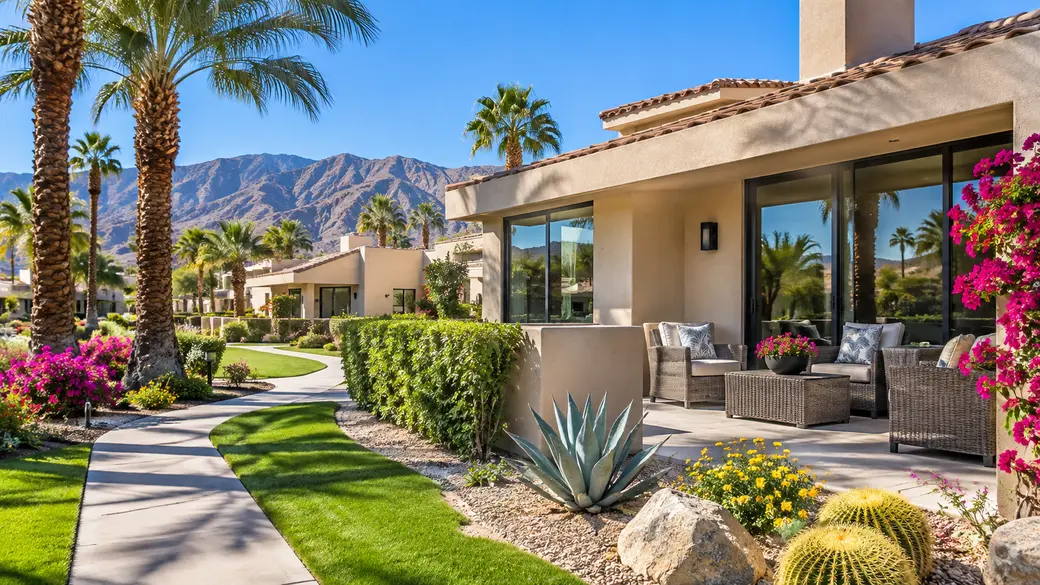
How do I buy a condo in Indian Wells?
Buy a condo in Indian Wells by defining your financing and total monthly budget, selecting projects that fit your ownership plans, and making an offer subject to document and lender review. Before removing contingencies, examine the HOA's finances, rules, insurance, assessments, and litigation, because the project can affect loan eligibility.
More Info
Begin with a lender preapproval that identifies the loan type, the occupancy type (primary residence, second home, or investment), and the cash needed to close. Then separate the purchase decision into two reviews: the unit and the condominium project. Compare listing disclosures, HOA documents, and recurring charges before writing an offer. Include appropriate inspection, appraisal, financing, and HOA-document review contingencies in the contract, subject to advice from your real estate and legal professionals. In California, the seller is responsible for providing the association's governing documents, budget, reserve information, and assessment details to the buyer, so request them as early as possible. Ask the HOA or management company about transfer procedures, required forms, move-in rules, rental restrictions, insurance coverage, and the timing and cost of document delivery. Confirm the monthly HOA charge in your budget before the contingency period ends.
In Detail
Request the HOA budget, reserve balance or reserve study, recent meeting minutes, special-assessment history and notices, CC&Rs and rules, insurance information, and disclosures about pending or existing litigation. For buildings with balconies, stairways, or walkways, also ask for the most recent inspection report on those elevated elements.
For FHA financing, verify whether the project is FHA-approved or whether the lender can pursue single-unit approval. HUD documentation (last updated February 14, 2025) lists the project and unit items a lender must review, including the association questionnaire, recorded CC&Rs, insurance certificates, flood information, and an explanation of any litigation.
For conventional financing, the lender reviews the project under its program rules. Fannie Mae describes condo project-review requirements in Selling Guide section B4-2.2-01 (updated August 5, 2026). Under a full review, the standards generally include:
- Delinquencies: No more than 15% of the units can be 60 days or more past due on HOA dues, and the same limit applies to each special assessment.
- Reserves: The HOA budget must allocate at least 10% to replacement reserves, unless the lender relies on an acceptable reserve study completed within the past three years.
- Project condition: Significant deferred maintenance or major litigation can affect eligibility.
Include monthly HOA dues, any master-association dues, property taxes, insurance, and the mortgage payment when evaluating total monthly cost. In Indian Wells, many condo projects sit within larger club or resort communities, so a second layer of association or club charges is common enough to confirm on every listing.
Related Questions
Can I make an offer before receiving HOA documents?
Yes, but the contract can include a contingency allowing time to review the association materials. Confirm the deadline and delivery process before committing to remove that contingency.
What should I ask about a special assessment?
Ask whether an assessment is proposed, approved, or already payable. Review its purpose, amount, payment schedule, and whether the seller will contribute toward any obligation due before closing. A high share of owners behind on an assessment can also affect conventional loan eligibility.
Does the HOA fee include insurance?
The governing documents and master policy identify what the association insures and what remains the unit owner's responsibility. A lender may require walls-in (HO-6) coverage for interior improvements or personal liability.
Can I use a conventional loan for any condo project?
Not necessarily. The lender evaluates both the borrower and the condominium project, including financial, insurance, and project-condition information. Delinquency levels, reserve funding, and litigation are common reasons a project does not qualify.
Tips from Brad Schmett Real Estate Group
Indian Wells condo work
Brad Schmett Real Estate Group works with condo and townhouse buyers and sellers in Indian Wells, along with clients considering gated communities and golf course properties. The common thread is simple. Two decisions sit inside every condo purchase: the unit and the project. Both deserve the same scrutiny.
Under the Certified Buyer Advantage™ program, preparation comes first: financing, occupancy plans, and a total monthly budget that includes every association layer. Market insight follows, with project-by-project comparisons of dues, reserves, and recent Indian Wells sales activity. Strategic positioning shapes the offer's timing and contingencies. Protection means the HOA documents and lender review are complete before any contingency is removed. Buyers browsing condos and townhouses can use that framework to narrow the field early.
For sellers, the Certified Seller Advantage™ program starts with assembling the HOA package before listing. A buyer whose lender can confirm project eligibility quickly is a buyer more likely to close.
Hyper-local precision
In Indian Wells, condo value is set project by project, and sometimes building by building. Reserve health, master-association charges, rental rules, and lender eligibility can separate two units with the same floor plan. The diligence behind that comparison is old-school. Read the budget. Check the minutes. Confirm every charge in writing. The tools are new. Association data, lender standards, and sales history are organized digitally, so the decision rests on documents rather than assumptions.
To discuss a condo purchase or sale in Indian Wells and the project documents relevant to your decision, call Brad Schmett at (760) 880-5845, email brad@bradschmett.com, or start a conversation with the team. Brad Schmett, California DRE License ID 01275226. Current license status can be verified through the California Department of Real Estate license lookup.
Categories
- All Blogs (45)
- Bermuda Dunes Real Estate (2)
- Brad Schmett Real Estate Group (1)
- Cathedral City Real Estate (2)
- Foreclosure Properties (1)
- Indian Wells Real Estate (2)
- Indio Real Estate (4)
- La Quinta Real Estate (18)
- Palm Desert Real Estate (6)
- Palm Springs Real Estate (5)
- Rancho Mirage Real Estate (4)
Recent Posts